
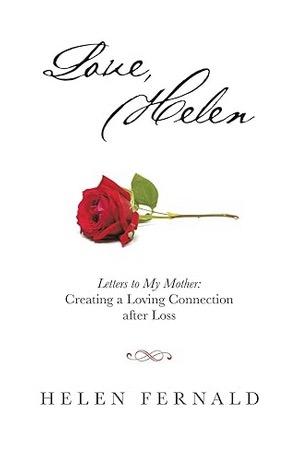
 Love, Loss, and Letters: A Journey to Healing and Connection
In the tender pages of Love, Helen, author, Helen Fernald opens her heart, allowing readers to journey with her through the profound grief of losing her mother. When faced with the unbearable void left behind, Helen discovered an unexpected path to healing—writing letters to her mother. These deeply personal reflections became a bridge, reconnecting her to the love they shared and guiding her toward acceptance, peace, and renewed joy.
This book is more than a memoir; it’s a lifeline for anyone navigating the stormy waters of loss. With raw honesty and quiet wisdom, Helen’s words remind us that grief is not something to overcome but something to embrace. “I am not sure if we ever truly stop grieving,” she confesses. Yet amidst sorrow, memories remain—a truth that offers comfort and hope.
Helen’s journey is a powerful testament to resilience and love’s enduring presence. Through her letters, readers will find not only solace but also an invitation to honor their own stories of love and loss. Her heartfelt reflections create a space where it’s safe to feel, to remember, and to heal.
Whether you are mourning a loss, seeking connection, or yearning for inspiration, Love, Helen offers a gift: the reminder that even in the depths of grief, there is a path to light and love.
This is a book that lingers long after the last page—a source of comfort for today and hope for tomorrow.
Helen’s book, Love, Helen–Letters To My Mother has now been published! You can buy it locally at Gibson’s in Concord, The Country Bookseller, Wolfeboro, or at the Gilford Country Store. Stay tuned for more book signings!
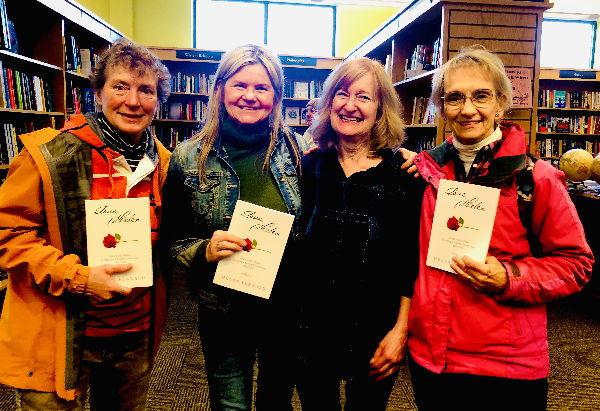
You may also purchase at Amazon.
Hi Helen,
If the connection with your mother didn’t end when she died, what form does a relationship take when only one person is left to write in it?
What struck me is the choice to keep writing to her rather than about her. A memoir framed as reflection would process the loss from the outside, looking back at what the relationship was. Letters keep the relationship in present tense, still addressed to her, which means the book isn’t really about grief as an ending but about continuing a connection that death changed the shape of without actually severing it.
The structural choice I found sharper than expected is the epistolary form itself. Grief writing usually narrates toward the reader, explaining the loss so a stranger can understand it. Letters address someone else entirely, so the reader isn’t the intended audience, they’re someone allowed to witness a conversation that was never meant to include them. That distance is what makes it feel true rather than performed.
For a book built on the idea that connection outlasts loss, it’s fitting and a little poignant that so few people have found their way to it yet.
Warmly,
Peterpro